The Sorting Hat
This past week was Tech Week - a week full of hands on training in various technical topics related to agriculture. For SAS this meant dividing into three groups: café, pez y arroz, or cacao. Before arriving to the training community (the site of a current volunteer) in Guabal, Veraguas we did not know what groups we would be in. I hopes were for cacao - because who wouldn't want to work with chocolate trees? - but I knew there were only two spots in this group.
Before dividing into groups we spent the first day talking about fish and rice tanks, plátano, and agroforestry systems. We visited a few different farms and heard from a the different farmers the type of crops they grow and some techniques that they use in their farming systems. They were keeping us waiting. It wasn't until about 3:30 in the afternoon that we finally learned which groups we would be in. It was time for the sorting hat.
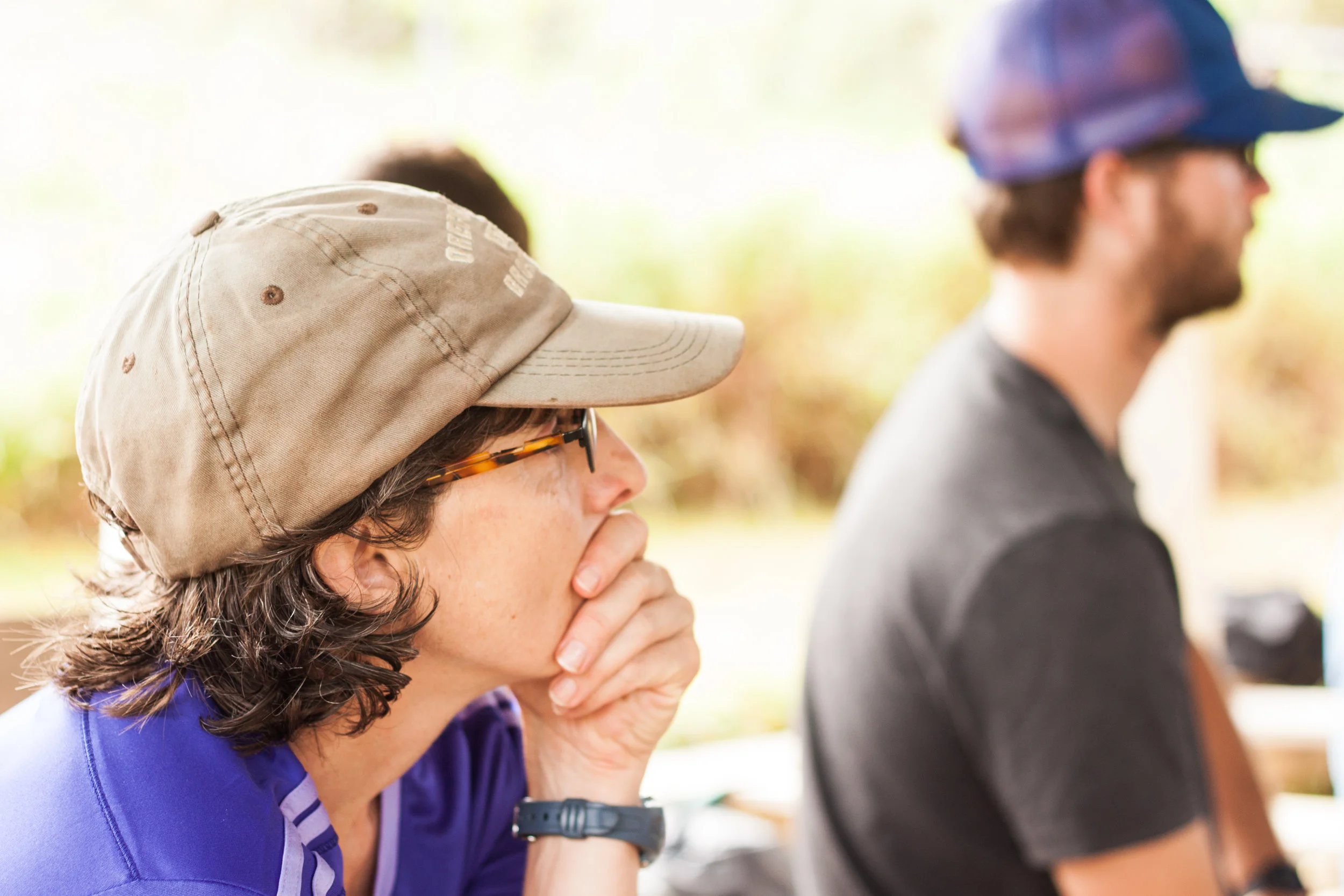
Fellow aspirante paying attention during class.
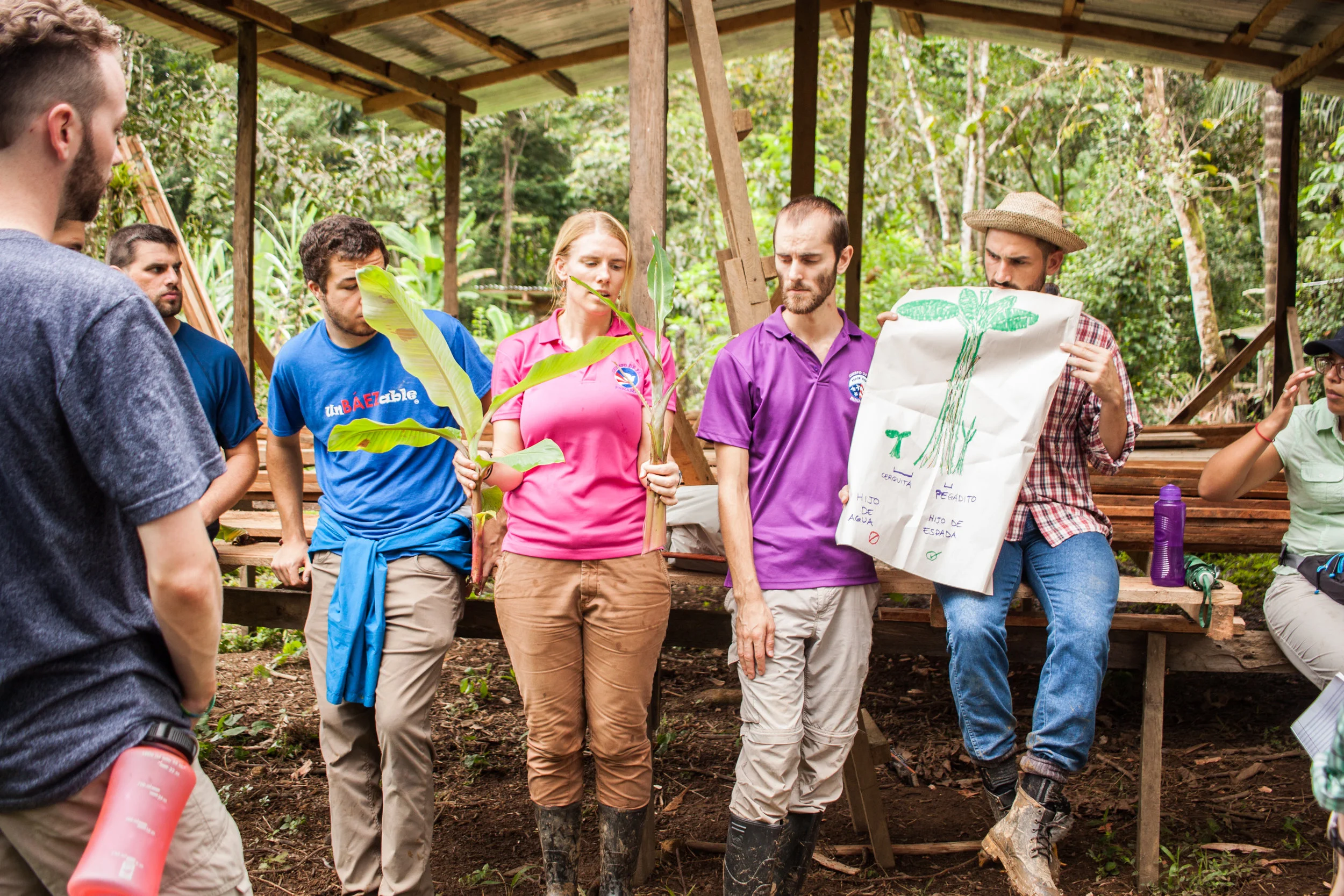
Learning about plátano in the field.
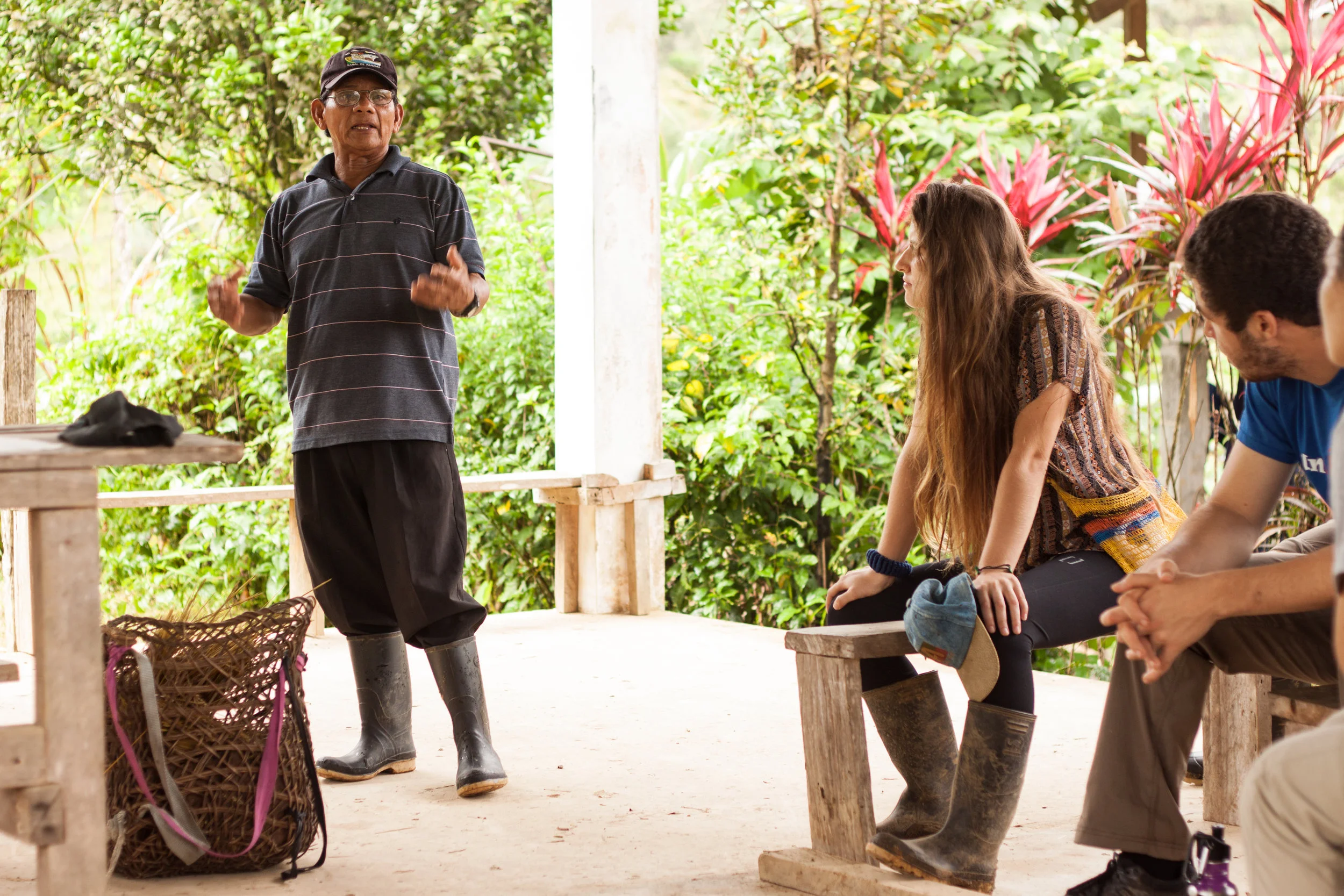
Listening to a farmer talk about his rice.
In a very Harry-Potter-esque manner, we were sorted into our groups one-by-one. We were called up, one at a time, and had a hat placed on our head. From behind an umbrella our facilitators for the week spoke about our interests - in a somewhat British accent - debating which group we would be best suited for. After thirty seconds of debating they would unanimously announce which group we would be a part of.
My name was called somewhere in the middle (it was in alphabetical order by last name). I honestly wasn't sure what to expect. I thought I might be put into fish and rice because building the tanks uses a little more engineering than pruning trees, but that was all I had to go off of. The sorting hat spoke about my past playing rugby, my interest in photography, and the fact that I said I would not mind having a boat-access site. For a moment I thought I might actually get cacao. I knew the cacao sites were only in Bocas del Toro and I knew that most of the sites in Bocas are boat-access. When I heard the first letter pronounced "c-" I thought 'This is it, I got cacao!'. But less than a second later the word was finished and it was not 'cacao' it was 'coffee'.
Coffee was my last choice. I thought that working with coffee meant that I would be working with mono-cropping granjeros (farmers). I thought that my creativity would be limited by the lack of value-added products that can be made with coffee. I went home that day a little disappointed but with the mentality that I agreed to "serve where the Peace Corps asks [me] to go, under conditions of hardship if necessary, and with the flexibility needed for effective service" (Core Expectation #3). Little did I know that first day that all of my assumptions were wrong and that coffee was actually the best of the three groups.
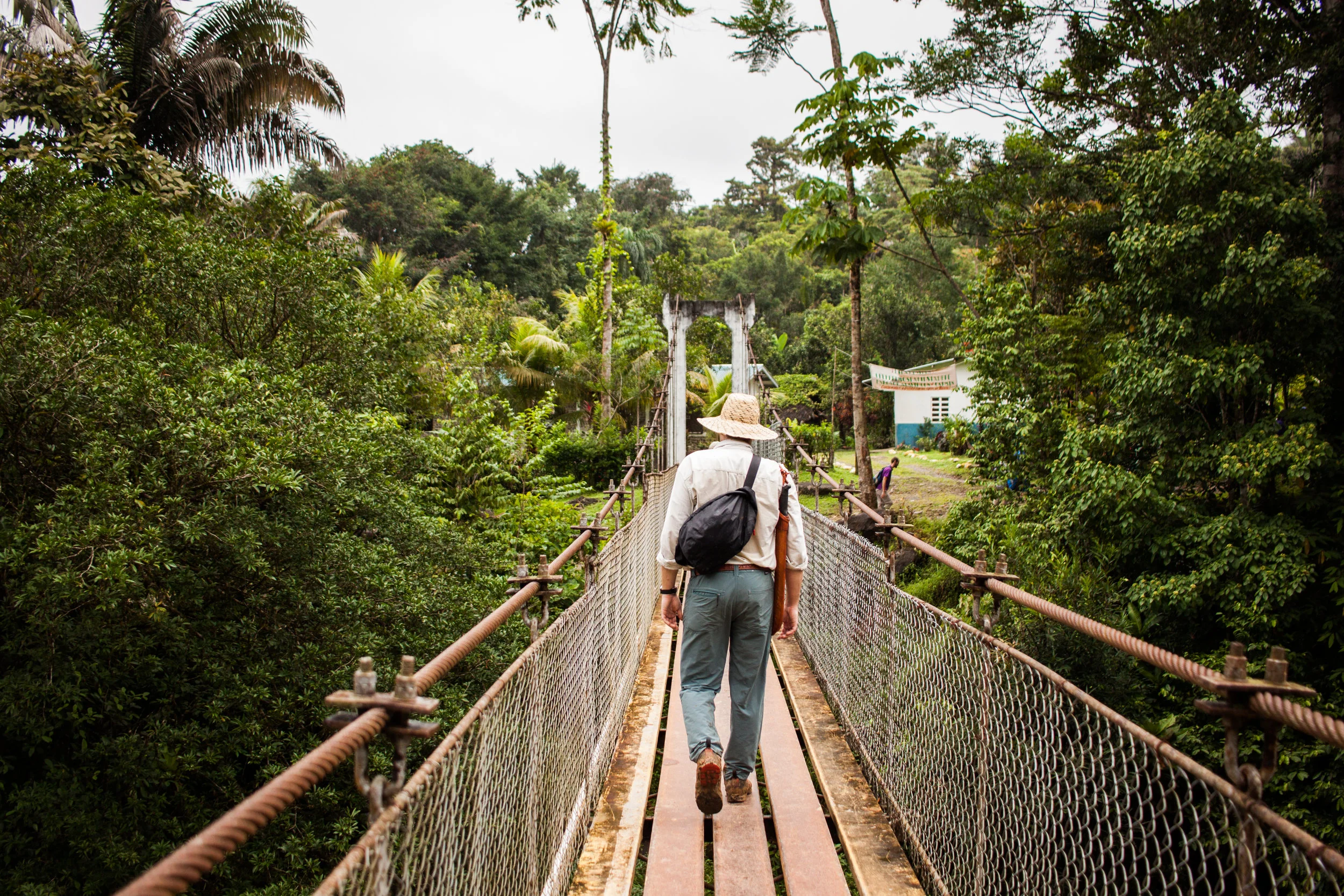
Crossing the bridge between Veraguas and the Comarca Ngäbe-Buglé.
The next day started with a 30 minute hike to a farmers coffee finca (farm). It was here that we spoke about the importance of agroforestry systems in the production of coffee. Agroforestry systems help provide organic matter for the soil, protect against erosion, provide adequate shade for the coffee trees, create an addition source of income from other edible trees, and so much more. We spent the rest of that day talking about the history of coffee, different coffee varieties, and farm planning. It did not take long to realize that coffee systems in Panama were far from monocultures.
As the week continued we spoke about various topics including pest management and plaga (pest) identification, pruning, organic fertilizers, harvesting and processing, storage, seed saving, the economics of coffee for sale and for home consumption, and farm registries and record keeping. There was more to coffee than growing and selling. My job would be much more involved than I originally thought, and I loved that.
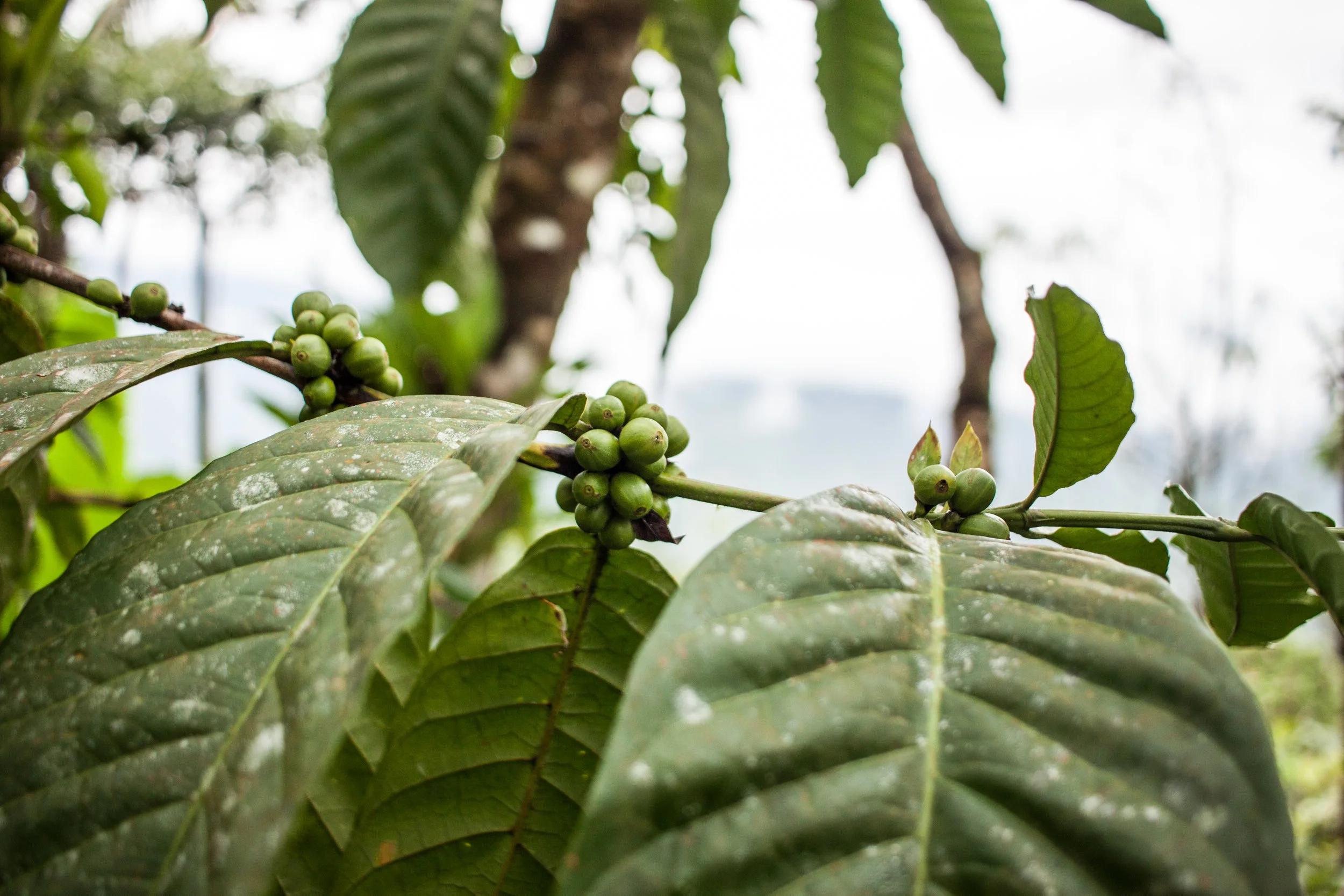
Coffee tree with unripe green coffee cherries.
At the end of the week, on our last training day, we actually got to roast and grind our own coffee. Though we did not get to go through the all the steps - since drying the beans and separating them from the cherries takes more time - we now had an idea of what the full process looked like. We finished that day with a coffee taste test on the porch of the current PCV in Guabal.
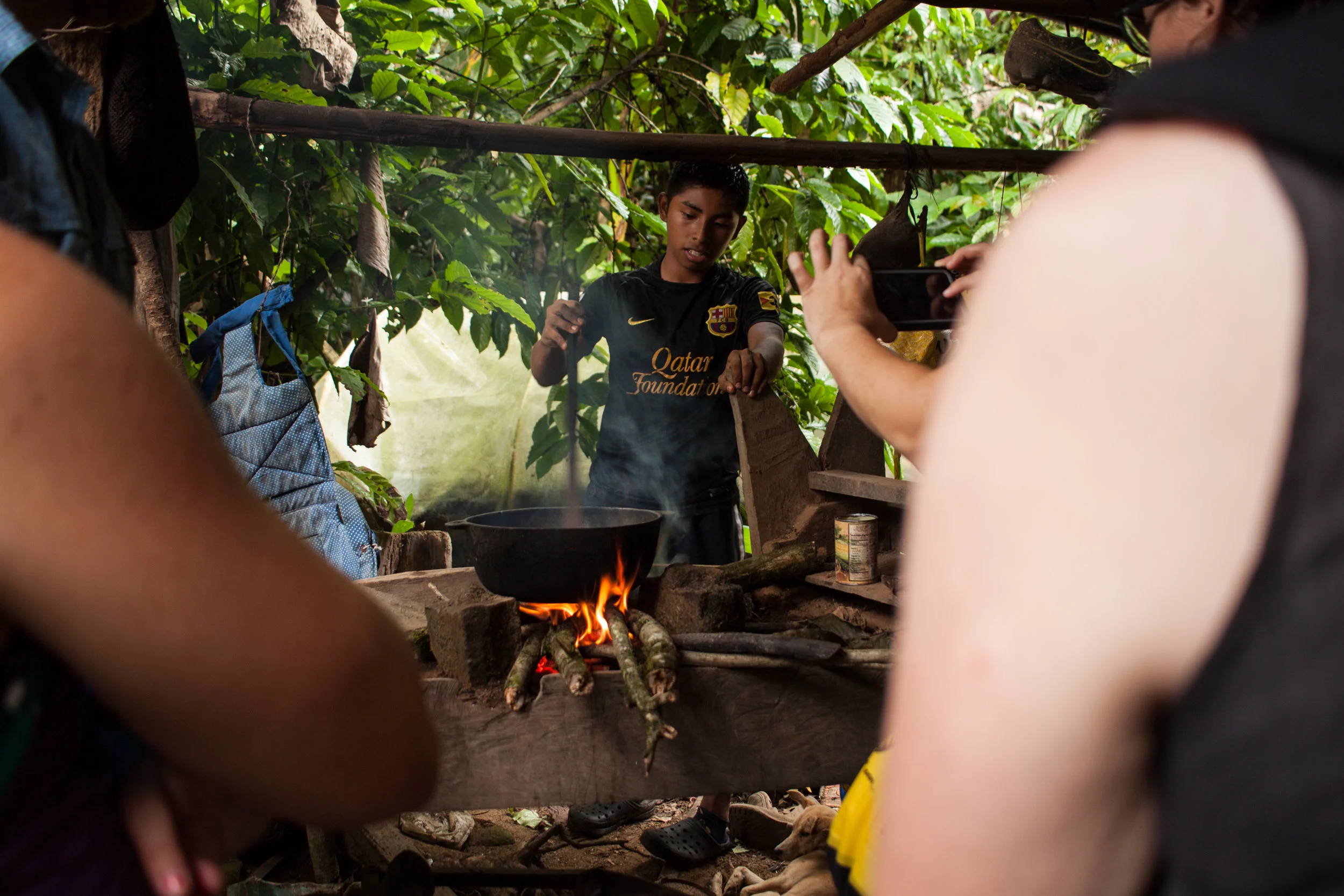
Roasting coffee beans.
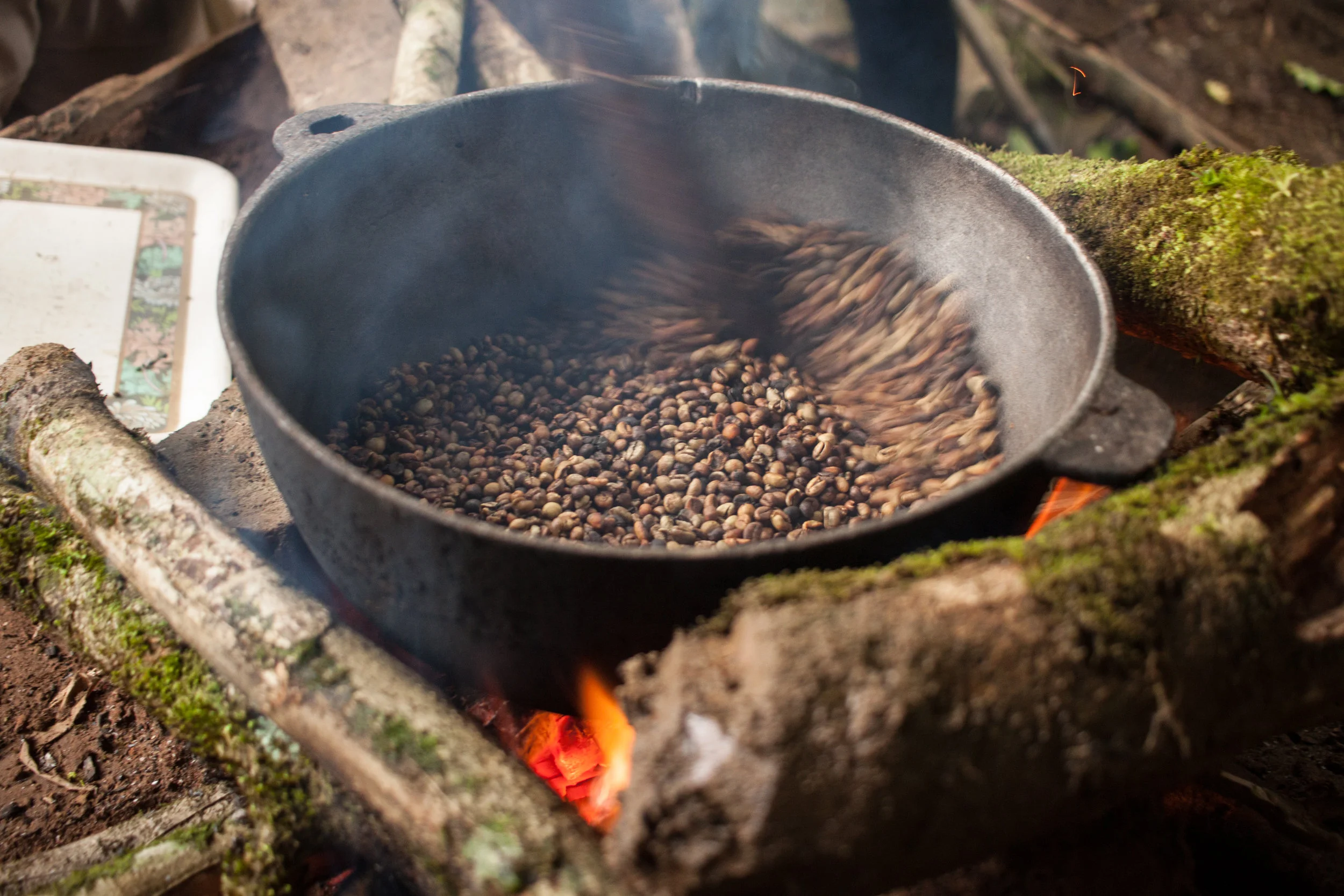
Roasting coffee beans.
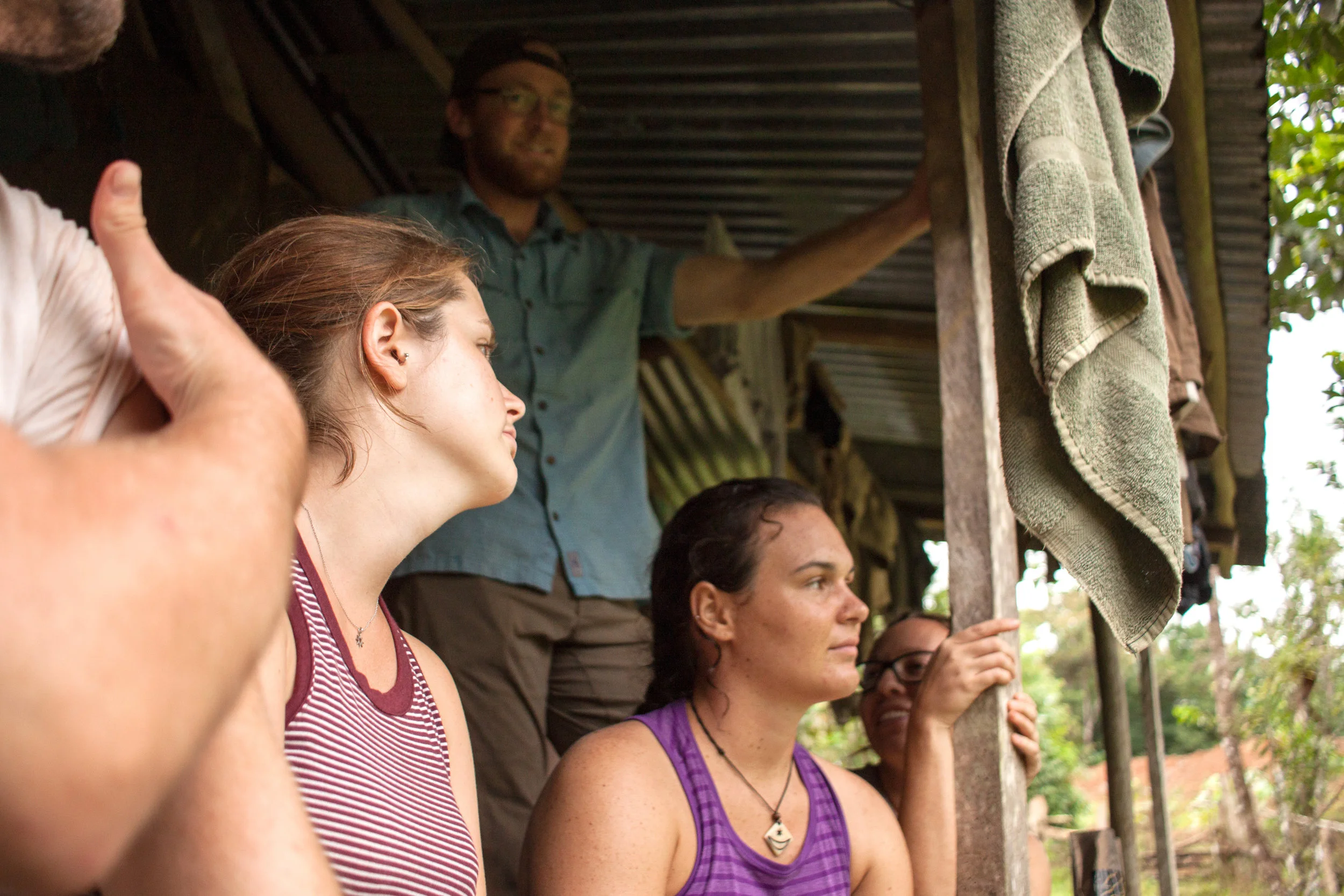
Blind taste test of different quality coffees.
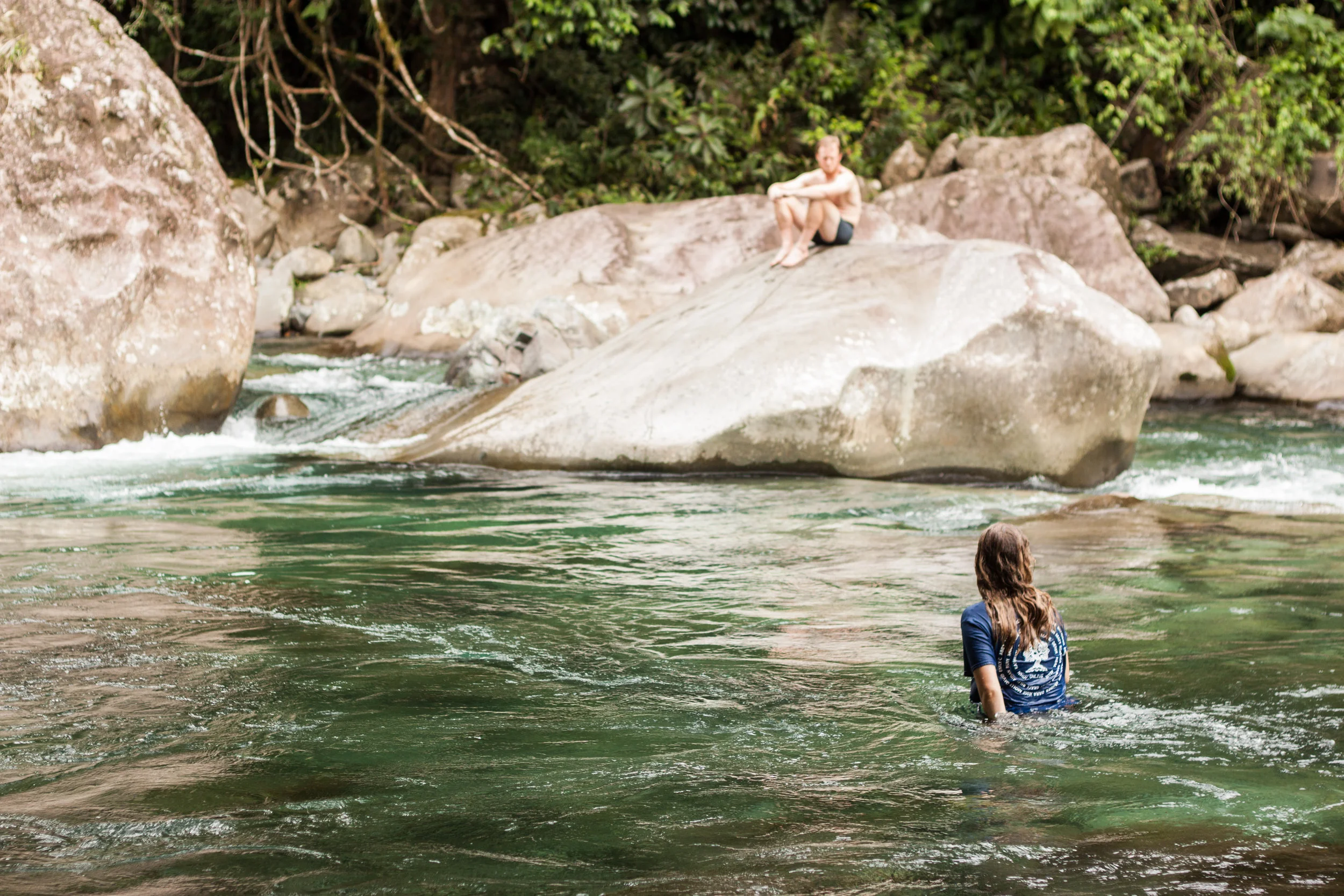
On the last day we gave a community presentation about everything we had learned that week. We had about 20 members of the community show up and participate, which is a pretty good turn out. We ended an action filled week with a swim in the river. The water was clear and a beautiful teal green. Tomorrow we would be headed for El Valle, to spend a night in the mountains.