
Where has the Time Gone
And just like that, Chito and I have been living in Samboa for a year. Over a year now actually, the one year mark already passed on September 22nd, I just haven’t made much time for writing lately. Two years may seem like a long time for everyone back home waiting for our arrival, but for us, two years just doesn’t seem long enough anymore: October is already half way done, November is the mes de la patria (a month filled with national holidays), December includes Mother’s Day, graduation, Christmas, and New Year’s Eve, then comes the new year, but it’s still hard to get things done because a lot of people leave January-March because schools out for vacation, and then there’s only six months left and too many things to do, people to see, and places still to go.
But before getting ahead of ourselves and stressing too much about the future, I think it’s important to reflect on the past. This first year Chito and I have kept busy - learning two languages, being taught some cultural do’s and don’ts, and working on various personal and professional projects. We’ve both experienced ups and downs along the way, but are overall both on an upward trajectory. More than anything, this first year was about getting a grasp on what it really means to be a Peace Corps Volunteer. The following are some thoughts and lessons learned from the first year of my service:


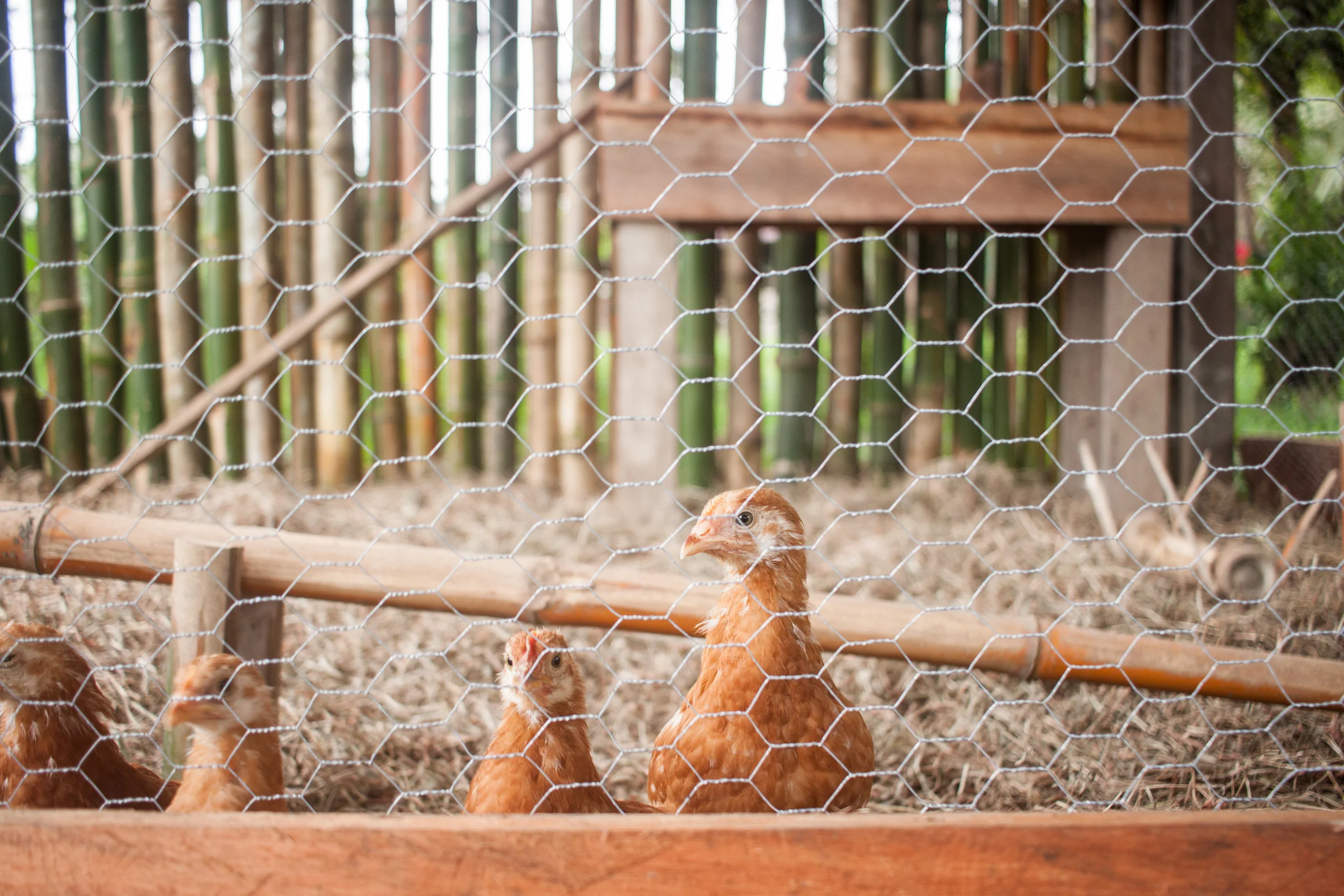
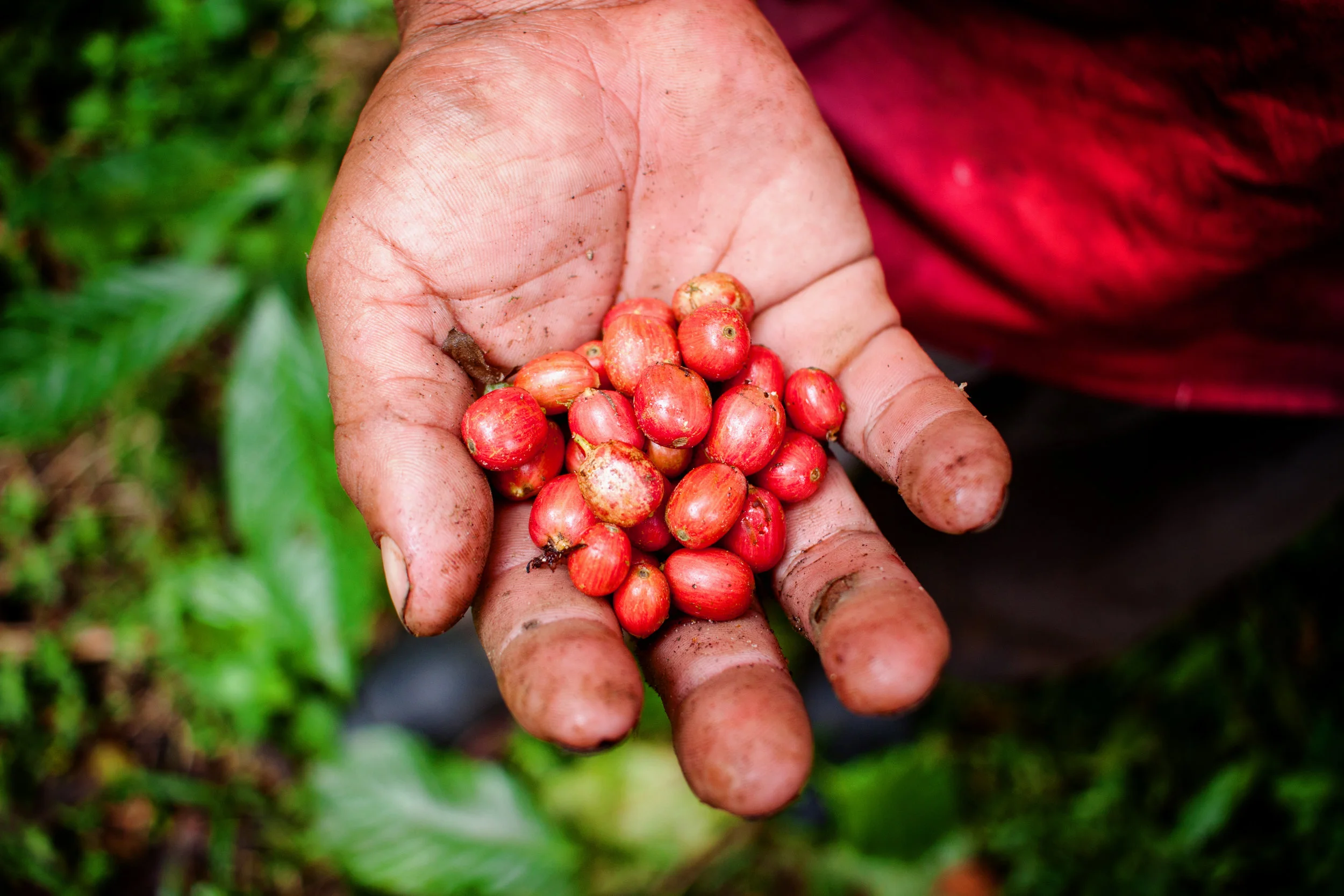
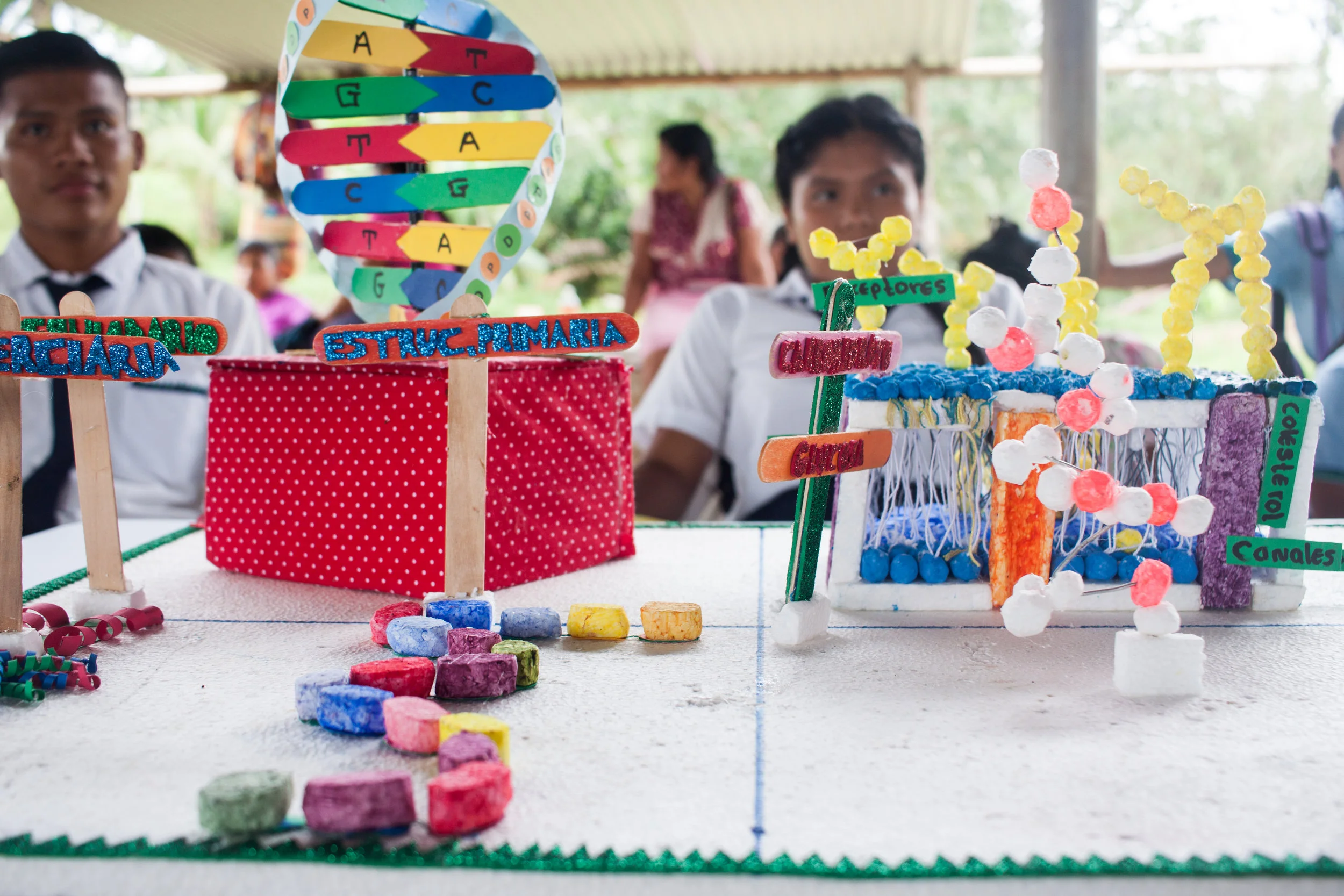

Development work is hard. It’s not just teaching people how to do this or that, but it’s changing behaviors - deep-rooted habits and customs - in a culturally-sensitive way. It requires integration and understanding of community and culture. It requires trust of an ‘outsider’. It requires hard work, dedication, and active participation from community members. With my training, books, and the internet, I may have an endless amount of knowledge on growing, maintaining and processing coffee, but if no one trusts me or believes what I am telling them, then no one will want to adopt the practices that I have to teach - especially if it requires them to make time and use energy that they don’t feel like they have. Before coming to Panama, I imaged work as a Peace Corps Volunteer like this: I will be trained on a topic, I will then go to my community where I will train others on that topic, and people will show up in large numbers to learn about and implement what I have to teach them. But the truth is, the real grunt work of development work is getting just one or two people to trust you enough to experiment with your new ideas - the innovators of the community. The hope then is that those innovators, seeing positive results from the new things they’re doing, will go on to help and teach others in their community. That’s the idea of sustainable development work, something that will outlast 1, 2, or even 3 volunteers. But it’s a lot easier said than done. Getting people to try something new - to change their behaviors - requires a lot of understanding, patience, and persistance. Like starting a diet or a new workout routine, the first few days, weeks, and even months can be difficult. Eventually those once new behaviors just become part of your everyday life, but getting to that point is always an uphill battle. Especially when the people in the community are used to various government agencies coming in, throwing money at projects, and then not doing any follow-up. In the past, Samboa has seen fish tank and chicken farming projects, but neither of these lasted more than one cycle because no one felt empowered to continue working on the project without the technical or financial assistance of whatever agency started the project in the first place. Now, even when there is someone around long-term (two years) to co-facilitate a project, to show others how to work within their own means, and to help people realize what success they are capable of, it’s hard to convince people that something will actually come of the project this time. Just getting people to take the first step - to show up - is a common problem that many volunteer’s face. It’s hard to convince people that they should invest their time and energy in me and my work, and it makes sense. Another volunteer once made a really good analogy for this:
If someone from, let’s say, France, came to your community in the U.S., speaking a not-so-great-English and told you that he just moved in for the next two years to give training and advice on back-yard gardening, what would you think? To organize the community, they start having weekly meetings. At first you might think, this is really cool! The French person is really nice and fun to talk to, but eventually life gets in the way. You still have your 9-5 job, a family to cook for, a house to clean, and errands to run. You go to the first couple of meetings, and you go sporadically when you can, but it’s just not a priority. You still invite the French visitor over to your house for dinners and birthdays because you want want them to feel welcome here, but at the end of the day you don’t have the energy to commit to the projects that they want you to do. You don’t go to their meetings - not because you’re not interesting in growing healthy fruits and veggies for your family, but because there are other things going on in your life that are more pressing.
This is why I no longer take offense when people don’t show up to meetings, cancel plans, or don’t participate in projects. It’s not that they don’t want to ‘improve their quality of life,’ it’s just that they are more focused on living day-to-day.
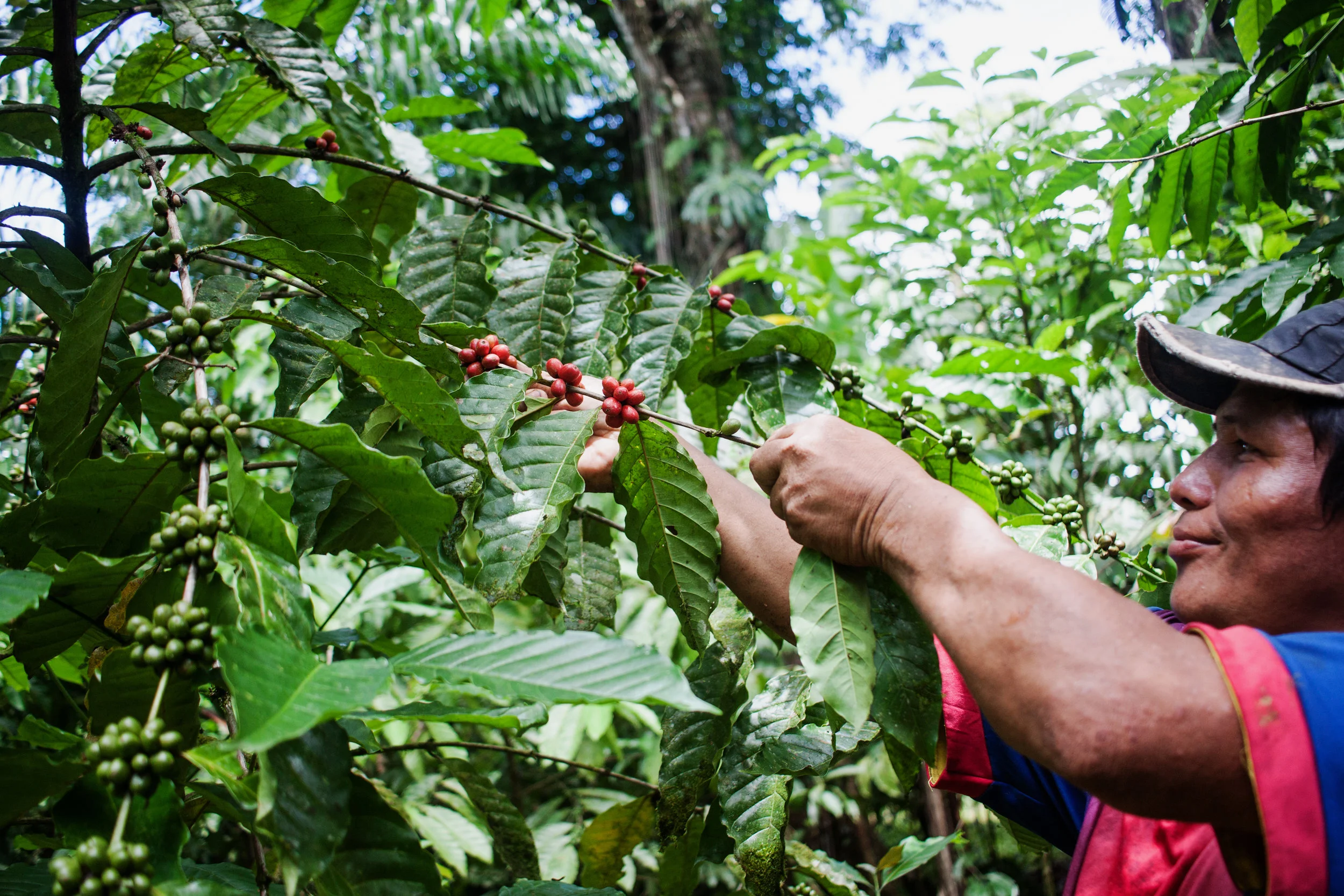
Demetrio - the coffee farming innovator of Samboa and my main counterpart.
It’s important to change your perspective when something seems to be failing. At some point or another in their service, I think many Volunteers feel that they are failing. For me this was in the beginning of my service - work seemed to be moving slow, people appeared uninterested in what I had to say, and even those that were interested enough to hear me out never adopted anything that I was teaching. I was frustrated, and I wondered what I was even doing as a Volunteer. I stayed postive about my service by focusing on goals 2 and 3 of the Peace Corp - sharing U.S. culture with Panamanians and sharing Panamanian culture with those back home. I started to think maybe this is just the life of a first Volunteer* or maybe this community just isn’t ready to work. I was including drawings, jokes, and metaphors in my seminars, I was doing everything I thought I was suppose to be doing, but the information I had to share just wasn’t sticking. I didn’t feel useful. But rather than becoming jaded and resentful, I tried to figure out why things were failing. I took a step back, I looked at myself not as a Volunteer but as a teacher, and I realized that I had to hold myself to the same standards that I had once held my college professors. It was commonly said that if only a few students failed an exam, it was probably on them for not studying enough; but if an entire class failed, it was probably the teacher who was doing something wrong. I slowly realized maybe the problem isn’t them, maybe it’s me. What I learned was that my teaching methods were all wrong for the environment I was working in. In order to not fail those who I was sent to teach, I had to change my perspective; and in doing so I learned three important things: 1. I learned that seminars were better given in the field, as a discussion rather than a lecture, and with hands-on practice. Most of the people I work with aren’t used to learning in a formal environment - some can barely read or write and most never graduated high school. Even though I tried to make my presentations interactive and entertaining, the classroom and poster papers, were still too formal. 2. I learned that it’s important to know your audience and understand their needs. Most of the producers I am working with either don’t have any coffee planted or have coffe that was only planted 2-3 years ago and is just barely starting to put on fruit. In the beginning, I was teaching things that were seasonally-relevant: during the harvest I gave a seminar on seed saving, after the harvest I gave a seminar on registries, and before the new harvest I gave a short seminar on solar dryers. I created a calendar, and people said they were interested in learning what I had to teach, but the truth is that these things were not relevant to the producers in Samboa. How could people save seeds when their trees were still too young to be producing? What was there to write in a registry if there was no harvest, no hired help, and no sales? Why would anyone invest in materials for a solar dryer when there still wasn’t any coffee to dry? As a Volunteer, people will almost always tell you what you want to hear. If you ask if they want to learn something they will almost always say yes because they don’t want to miss out, even if the information isn’t relevant to them. 3. I learned that the follow-up is just as important as the initial lesson, even if you feel that you are being repetitive, insistant, and annoying. After each seminar, I always ask people if they will apply what they’ve learned to their own farms and I encourage them to invite me to their farms to practice. Unfortunately, this rarely happens for a number of reasons that were already mentioned - not wanting to try something new, not have time or energy, not being able to learn in a formal setting, etc. Even with an hour or so of hands-on practice, people still might not feel confident enough to do things on their own. People usually won’t admit that this and as a result are usually too embarrassed to ask for help.
As much as I was expecting my community members to change, I also had to change. The most successful seminar I have given so far was a coffee pruning seminar. It included a hands-on practice in the field, it was something that applied to (almost) everyone, and it led to me advising people on pruning practices in their own farms. One woman even gave me money to buy her pruning shears so that she could prune her trees in a way that was both easier for her and healthier for the trees!
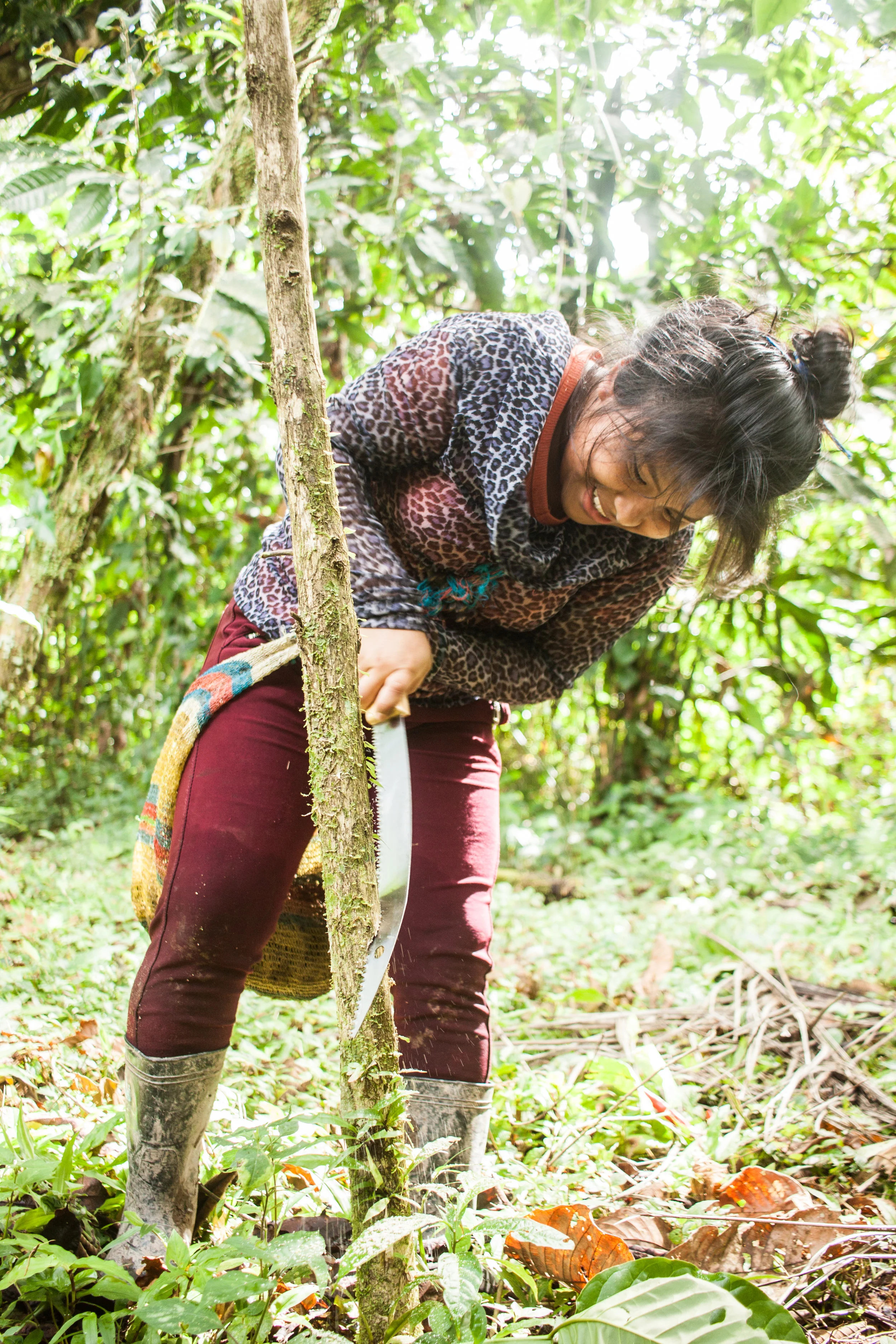
Itail practicing pruning in her mother’s finca (farm).
Sometimes the best way to motivate and teach people is through examples. Below and around my house I have a number of crops growing: some things are more traditional (yuca, taro, banana, and lemon grass), a couple things are not unheard of but uncommon (squash, pineapple, and naranjilla), and other things have only ever been seen growing in the school garden (tomatoes, beans, and spinach). As a Sustainable Agriculture Systems Volunteer, I am expected to have a demonstration plot but the rules are very lose. Some people use their demonstration plots to experiment with different seeds, fertilizers, or insect repellants, some people focus on improving management techniques for more traditional crops, and others, like myself, just use the space to grow what they want. For me, I could say that I created the plot as a space to demonstrate to passerbys what they could be growing, but the reality is that I built it as a space for me to grow the things I wanted to eat. I had brought up the idea - several times and to various community members - that we could start a cultivo de hortalizas (vegetable farming) project in Samboa, but no one ever seemed that interested. And I don’t blame them. It’s a lot of work protecting delicate crops from loose chickens/cows/pigs/horses, playful children running around, and unaware adult feet not used to watching where they step. So I never pushed the idea that much. I continued working in my garden, but not for anyone other than myself and Chito. As I started planting things and yelling at anyone who stepped on my plants, people became curious - they wanted to know what I was planting and wanted to know what it would look like when fully grown. As the months went on, the squash consumed my yard, the beans made their way up into the kitchen, and the spinach built a wall on one side of my house. Any one who came by to visit wanted an update on the garden - do you have any squash yet? have the chickens started laying eggs? what’s this green leafy thing called again?
I can now proudly say that I have harvested beans, tomatoes, squash, spinach, lemon grass, and eggs all from the small space below my house. Now people are interested. Since the spinach matured, I have had at least two people ask me to cut them some to cook with dinner and more than a handful of people ask me for seeds. I collect dried beans every couple of days and have handed out some seeds to plant. I have also been asked for squash and naranjilla seeds, as well as egg-laying hens. But my favorite moment thus far has been being asked for seeds from my 11 year old neighbor. Everyday she comes over to our house to play games, talk, and help harvest whatever there is to harvest. I gave her some marigold seeds and bean seeds. The marigolds took a while to sprout but are finally taking off and the beans sprouted within a week. She is caring for them in a pot at the moment, with compost that we made, watering them everyday and making sure they get enough sun. Her excitement, curiousity, and pride are what has taught me the value of what I’m doing, the value in teaching by example. I may not give any formal classes on growing tomatoes or spinach in my time here, but I may have planted the seed for a future cultivo de hortalizas project in Samboa with the next volunteer.
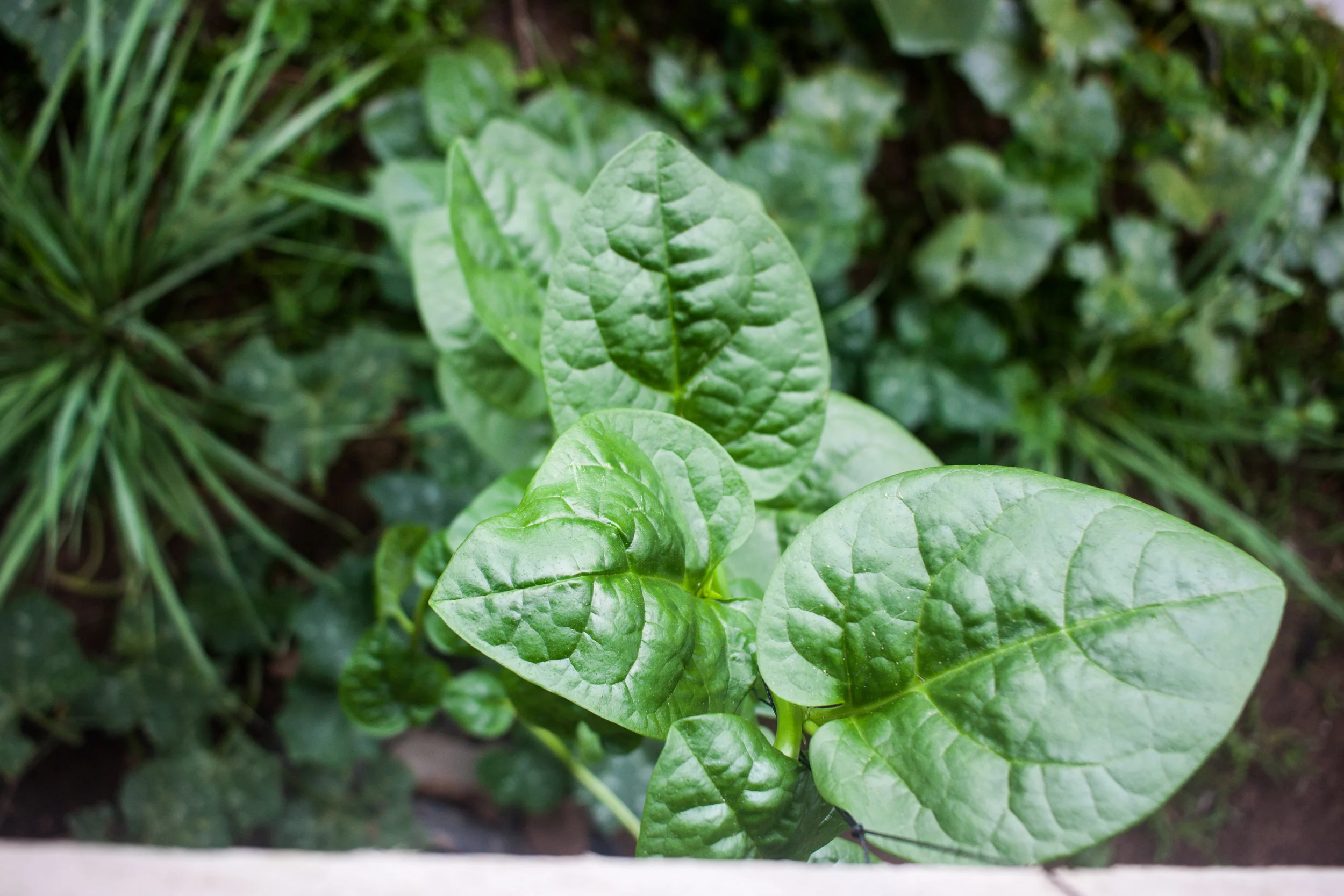
The vining spinach growing beneath my house.
*A ‘first Volunteer’ is the first Volunteer that a community receives; some communities have had Volunteers in the past and should know more about what Peace Corps is and who Volunteers are. It is commonly said the first Volunteers spend a lot of time simply explaining to their community members what they are there to do.